

Emergency Heating Repairs for Commercial Premises
A heating breakdown in a commercial property can become an operational problem very quickly. Offices may become uncomfortable, customers can be affected and certain buildings may have occupants or activities that make maintaining suitable temperatures particularly important. If the failure also affects hot water, the impact can extend to welfare, hygiene and normal business operations.
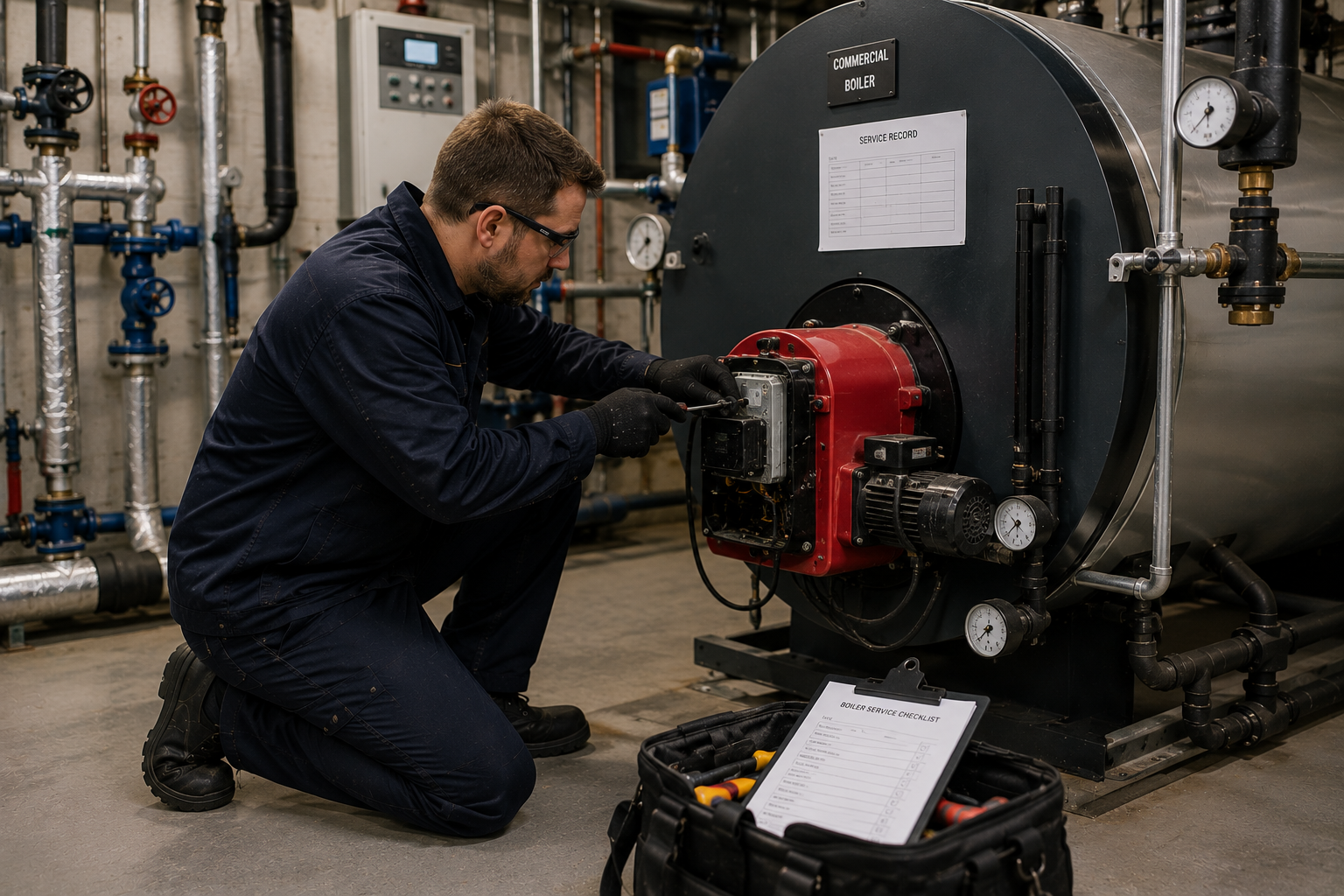
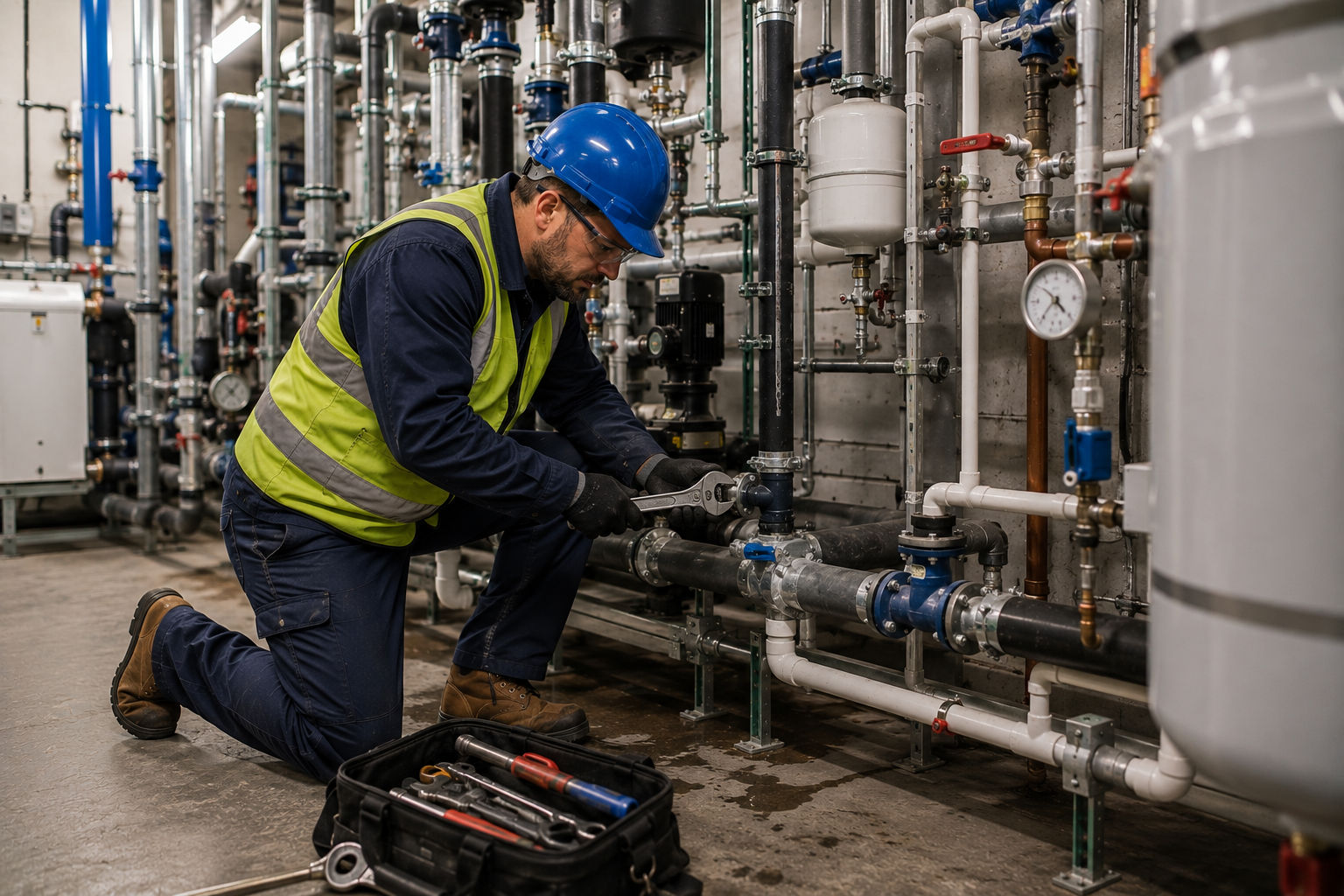
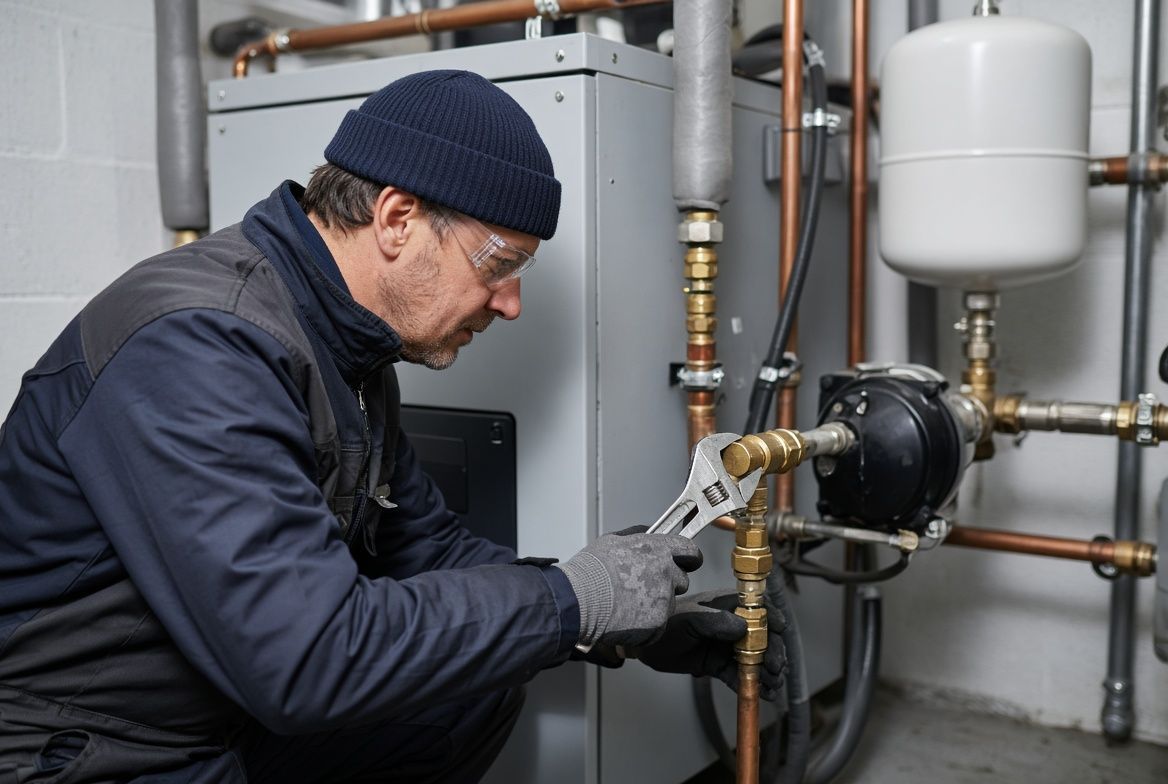
When a fault cannot safely wait for routine attention, access to experienced commercial heating engineers in London can help businesses investigate heating problems and determine the appropriate repair. Facilities managers can support that process by gathering useful information, keeping people away from potentially unsafe equipment and understanding which parts of the premises have been affected.
An emergency response should not, however, begin with somebody attempting to dismantle a boiler or reset equipment repeatedly. Commercial heating systems can involve gas, electricity, pressurised systems and hot components, so faults need to be approached according to the equipment involved and by appropriately competent professionals.
Recognise When a Heating Problem Needs Urgent Attention
Not every heating issue has the same level of urgency.
One cold radiator in a large office may require investigation without necessarily creating an emergency. A complete loss of heating throughout occupied premises during cold weather is a very different situation.
Facilities managers should assess the scale of the problem and whether there are any signs of an immediate safety concern.
Unusual smells, visible leaks, abnormal noises, electrical burning smells or alarms should never be ignored. If there is reason to suspect a gas leak or carbon monoxide risk, follow the appropriate emergency procedures rather than treating the problem as an ordinary heating repair.
Occupants should not be asked to continue working around equipment that may be unsafe simply because maintaining business operations is convenient.
Safety comes before restoring comfort.
Establish How Much of the Building Is Affected
Before arranging a repair, try to determine the extent of the problem without interfering with the equipment.
Is the entire property without heating, or only one floor? Has hot water also failed? Are some areas functioning normally?
This information can help the engineer understand the nature of the call-out.
In multi-zone systems, a problem affecting one area may have a different cause from a complete plant failure.
Check whether building users have noticed when the issue started and whether anything changed immediately beforehand. For example, did the heating stop suddenly, or had performance gradually deteriorated over several days?
Facilities managers should record observations rather than trying to diagnose technical causes themselves.
Give the Engineer Useful Information
A little preparation can make an emergency call-out more efficient.
Where available, provide the heating engineer with the make and model of the affected equipment, details of any displayed fault code and a description of what has happened.
Explain which areas are affected and whether the problem involves heating, hot water or both.
Maintenance records can also be valuable. If the same fault has occurred previously, tell the engineer what work was carried out.
Make sure the engineer can access relevant plant rooms and equipment when they arrive. Valuable time can be lost if nobody knows where keys are kept or access requires authorisation from somebody who is unavailable.
Accurate information is more useful than guessing what has failed.
Don't Attempt Unsafe Repairs
A commercial heating failure can create pressure to restore service quickly, particularly when employees or customers are complaining about the temperature.
That pressure should never lead to inappropriate DIY work.
Boilers, gas appliances and associated controls should only be worked on by people with the required competence and qualifications for the task.
Facilities staff should not remove covers, alter safety devices or interfere with gas components unless they are properly authorised and qualified to do so.
Repeatedly resetting equipment without understanding why it is shutting down may also be inappropriate.
Follow the manufacturer's instructions and professional advice.
The objective is not simply to make the heating start again temporarily; it is to identify and address the fault safely.
Protect Occupants While Heating Is Unavailable
The effect of a heating failure depends partly on the building and the people using it.
A short outage in mild weather may cause limited disruption. A prolonged failure during winter can create a much more significant problem.
Facilities managers should monitor conditions and consider whether particular occupants are more vulnerable to cold.
Some areas may need to be taken out of use temporarily, or staff may need to work elsewhere while repairs are completed.
For landlords and multi-tenant premises, responsibilities and communication arrangements should already be understood.
Avoid making assumptions about how long the building can operate without heating. The appropriate response should consider actual conditions, the type of premises and relevant workplace or property obligations.
Consider Other Building Services
Modern commercial heating does not operate independently of other building systems.
Boilers, pumps, controls and building management equipment can rely on electrical supplies. A heating problem may therefore occasionally involve an electrical issue rather than, or in addition to, a mechanical fault.
Where electrical investigation is required, LEC provides commercial electrical maintenance services covering electrical installations, maintenance, testing and inspection for commercial environments.
Facilities managers should avoid asking one trade to carry out work outside its competence. If the heating engineer identifies an electrical supply or control issue requiring specialist attention, an appropriately qualified electrical contractor should investigate it.
Similarly, water leaks around electrical equipment can introduce additional hazards and should be treated accordingly.
Coordinating the relevant trades can be more effective than repeatedly treating symptoms within one system.
Manage Business Disruption
Emergency repairs can affect more than the temperature inside the building.
Engineers may require access to occupied areas, plant rooms or ceiling voids. Parts of the heating system may need to remain isolated while work is carried out.
Plan around those requirements where possible.
If an office area needs to be temporarily unavailable, consider whether staff can work elsewhere. In retail or customer-facing environments, decide how repair work can be managed without exposing visitors to work areas.
Facilities teams should also keep relevant managers informed.
Providing realistic updates is better than repeatedly promising that heating will be restored within an hour when the cause has not yet been established.
Once an engineer has assessed the problem, communicate the expected next steps and any operational restrictions.
Be Careful With Temporary Heating
Portable heaters may appear to offer an easy solution while a commercial heating system is unavailable, but their use needs proper consideration.
Electrical heaters can place additional demand on circuits, particularly if several units are connected simultaneously. Extension leads and unsuitable sockets should not become an improvised temporary heating network.
Portable equipment can also introduce fire, trip and burn risks if positioned poorly.
Before deploying temporary heaters extensively, assess whether the electrical installation can accommodate them and whether their use is appropriate for the environment.
Any temporary solution should be managed as such.
It should not become a long-term substitute for repairing a failed fixed heating system.
Communicate With Employees and Tenants
Uncertainty often makes a building-services failure more disruptive.
Tell affected occupants that the heating problem has been identified and that appropriate action is being taken.
Where possible, provide an indication of which areas are affected and whether any facilities are temporarily unavailable.
Avoid sharing speculative technical explanations before the fault has been properly diagnosed.
In multi-tenanted buildings, a central communication process can prevent several occupants independently contacting contractors about the same problem.
Facilities managers should also provide a clear way for occupants to report additional symptoms, such as loss of hot water in another area.
That information may help establish whether the problem is wider than initially thought.
Investigate Recurring Breakdowns
Restoring heating is the immediate priority during an emergency, but the job should not necessarily end once the system is operating again.
If the same equipment repeatedly breaks down, investigate why.
Review maintenance records and ask the engineer whether there is an underlying issue that requires further attention.
Repeated reactive call-outs can indicate ageing components, maintenance shortcomings or a system that warrants a more detailed assessment.
This does not automatically mean the entire heating system needs replacing.
Decisions should be based on condition, reliability, repair history, operating requirements and professional advice.
Facilities managers can use this information when planning future maintenance budgets or capital expenditure.
Create an Emergency Heating Response Plan
Commercial premises should not have to invent their response every time heating fails.
Keep current contact details for approved contractors and make sure relevant employees know where that information is stored.
Record the location of plant rooms and any access arrangements contractors may need.
Maintenance documents, equipment details and previous repair records should also be reasonably accessible.
The plan can include internal communication responsibilities and arrangements for managing areas that become unsuitable for normal use.
Where heating equipment depends on other building services, include the relevant electrical or facilities contacts too.
A straightforward plan can save valuable time during an actual breakdown.
Use Emergencies to Improve Future Maintenance
Unexpected failures cannot always be prevented, but they can provide useful information about the condition of a commercial heating system.
After the repair, record the fault, cause where known, work completed and any recommendations from the engineer.
Consider whether the incident suggests a change to the maintenance programme.
Equipment that is becoming increasingly unreliable may need closer monitoring, additional planned work or eventual replacement.
This is where emergency response and preventative maintenance meet.
The aim is not to eliminate every possible breakdown, which may be unrealistic, but to reduce avoidable failures and make the organisation better prepared when something does go wrong.
Be Prepared Before the Heating Fails
Commercial heating emergencies are easier to manage when facilities teams already know how they will respond.
Understand the building's heating system, maintain accessible contractor information and keep accurate service and repair records. When a fault occurs, establish which areas are affected, gather useful information and keep occupants informed.
Avoid unsafe attempts to restore equipment and involve the appropriate specialists where gas, heating or electrical systems require professional attention.
Once the immediate problem has been resolved, review what caused the failure and whether anything should change in the maintenance programme.
That combination of safe emergency response and longer-term planning can help commercial premises recover from heating failures with less confusion and unnecessary disruption.